

As teachers, building bridges between home and school is critical for student success. Parents are our greatest allies in helping children thrive, and creating a positive relationship with them early on sets the stage for productive conversations throughout the year. The key to establishing this connection is regular communication, especially when it’s proactive and not just reactive to challenges. Here’s why making early and frequent contact with parents is essential for a strong partnership, positive classroom management, and long-term success.
1. Highlighting a Child’s Strengths: Building Bridges for Future Conversations
One of the most effective ways to start off on the right foot with parents is to call early in the year to share a quality or strength you’ve noticed in their child. Maybe the student shows great leadership in group activities, has an exceptional work ethic, or is always kind to their peers. By recognizing and communicating this early on, you’re not just praising the child; you’re building a relationship with their family based on mutual respect and shared appreciation.
When you call a parent with positive news, it surprises them in the best way. Too often, parents are conditioned to expect phone calls from school to be about problems, so when they hear something good, it shifts the dynamic entirely. It tells them that you see the whole child, not just the struggles and that you’re invested in their personal growth.
This positive first contact builds a bridge that will make future communication—whether about celebrations or challenges—much easier. Parents who know you recognize their child’s strengths are more likely to collaborate with you on addressing any areas of improvement.
2. Following Up a Negative Interaction with Positivity: Reinforcing Relationships
At some point in the school year, you’re likely to face a situation where a student makes a poor choice or exhibits inappropriate behavior. After addressing the behavior with the student, it’s common practice to notify the parent. However, after such a call, it’s equally important to follow up with a positive contact within a few days.
Why is this so effective? First, it reinforces that the negative behavior isn’t the sum of the student’s character. By following up with something positive—whether it’s improved behavior or a different strength—you send the message that you still believe in the student and their potential. Parents appreciate this balance and are more likely to view you as someone who genuinely cares for their child, even when addressing difficult issues.
This also helps the student feel seen beyond their mistakes, which can motivate them to improve their behavior. A balanced approach strengthens your relationship with both the parent and the child, creating a sense of fairness and trust.
3. Calling About Both Positive and Negative: Maintaining Control of Your Classroom

Consistently communicating with parents—both about the positives and the challenges—puts you in control of your classroom and reinforces your authority. When you handle situations on your own, rather than relying on the administration to make phone calls for you, you demonstrate that you are capable of managing your classroom dynamics. Parents see you as the person who understands and leads their child on a daily basis, not someone who only escalates issues to higher authorities.
If every call a parent receives is from the school office or an administrator, it diminishes your authority and can signal that you aren’t able to handle classroom challenges on your own. Taking the initiative to make these calls yourself—whether to share praise or address concerns—places you in a position of leadership in the eyes of both the parents and the student. It also encourages a sense of respect and responsibility in your students, as they recognize that you’re the one holding them accountable, not just relying on others.
4. Keeping a Record: Setting Yourself Up for Success
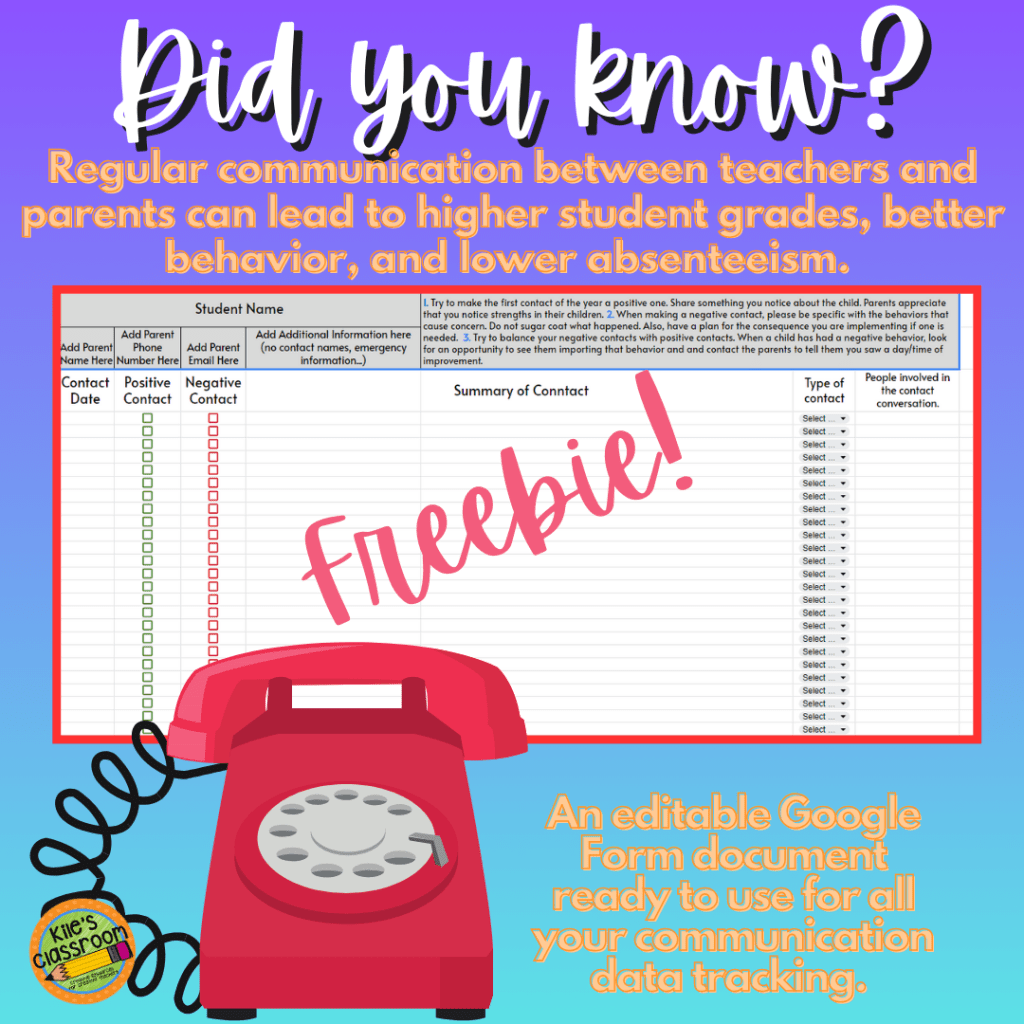
An often-overlooked but crucial aspect of parent communication is keeping a detailed record of your interactions. This record will be invaluable when you need to make difficult decisions about a student, whether it’s regarding behavior, academic performance, or even the possibility of a more formal intervention.
Documenting your conversations—both the positive and the negative—creates a clear picture of the student’s progress throughout the year. It also provides you with a solid foundation if a situation escalates and requires administrative involvement. Having records of prior communications with parents shows that you’ve been proactive, transparent, and consistent, making it easier to support your decisions and actions if needed.
These records not only protect you professionally but also help ensure that the student receives the support they need. When parents can see a documented pattern, they are more likely to engage in productive conversations about the next steps, rather than being caught off guard.
The Big Picture: Long-Term Success Through Consistent Communication
By making regular parent contact a priority, you’re not just preventing problems—you’re creating an environment where parents and students know that you’re invested in their success. Early, positive communication sets the tone for the year, while a balance of praise and accountability keeps you in control of your classroom. Keeping records ensures that you’re always prepared for challenging conversations and tough decisions.
In the long run, consistent communication creates stronger relationships with parents, fosters student growth, and makes your job easier. So, whether you’re calling to celebrate a success or address a concern, remember that every interaction is an opportunity to build a bridge for future conversations and a more supportive learning environment.


 kilesclassroom.com