
The first weeks of school are a whirlwind. With so much to manage, it’s easy to feel like you’re barely keeping your nose above water. However, establishing strong routines early on can provide the stability you need to create an organized and productive learning environment. By focusing on specific areas such as morning routines, building transitions, and classroom organization, you can set a positive tone for the rest of the school year.
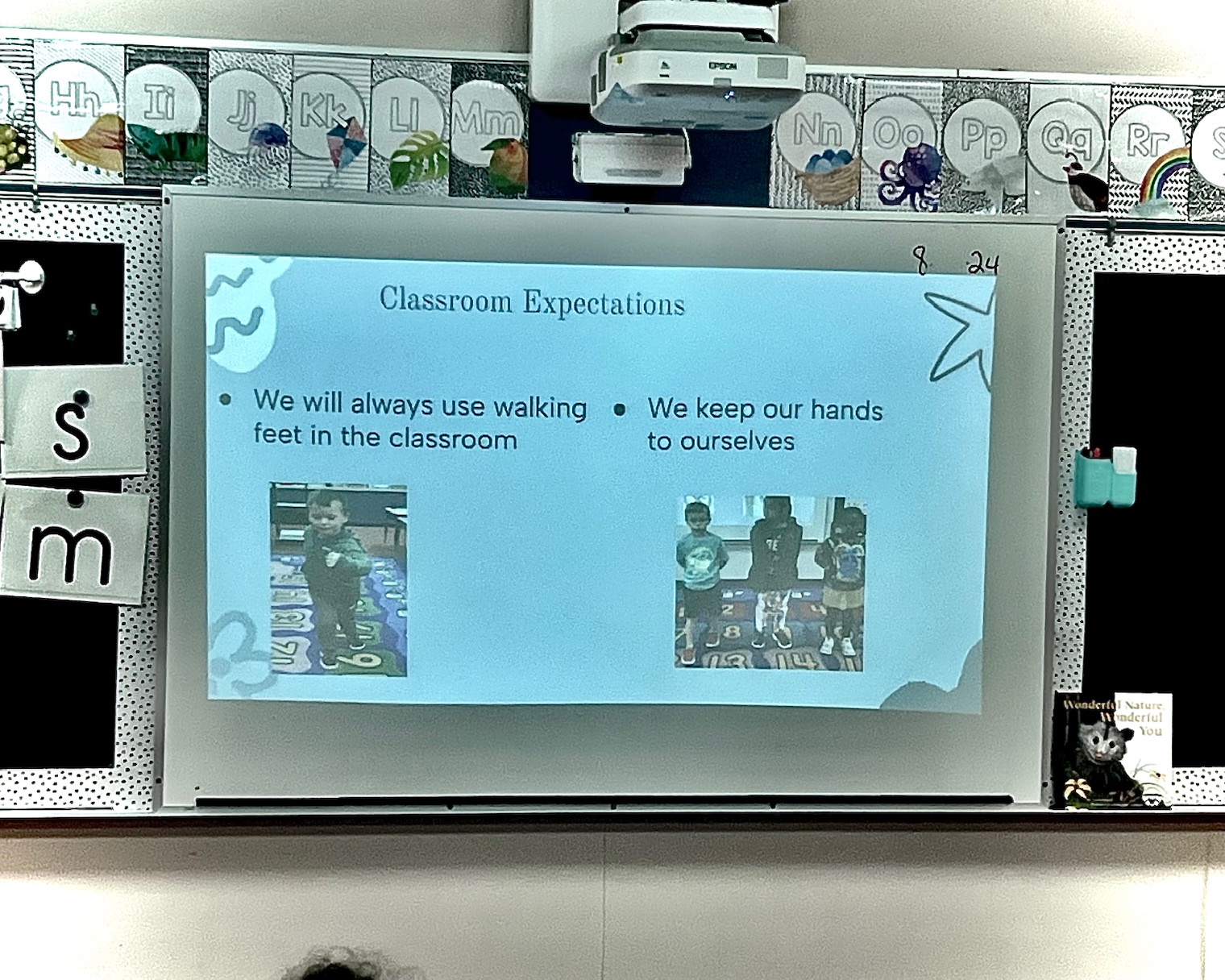
The Role of Explicit Instruction in Routine Building
Explicit instruction—where you clearly and directly teach expectations—lays the foundation for effective routines. Research shows that students perform better when they understand what is expected of them, and routines provide this clarity. Let’s dive into how to set up routines in three key areas: mornings, transitions in the building, and classroom organization.
Morning Routines: Setting the Stage for Success
1. Greet and Connect:
- Routine: Start each day by greeting students at the door.
- Example: Use a personalized greeting, such as a handshake, fist bump, or a simple “Good morning, [student’s name]!”.
- Why It Works: Personal greetings create a sense of belonging and set a positive tone for the day. Research shows that students who feel connected to their teachers are more engaged and motivated to learn. This routine also gives you a quick opportunity to assess each student’s emotional state, allowing you to address any potential issues early.
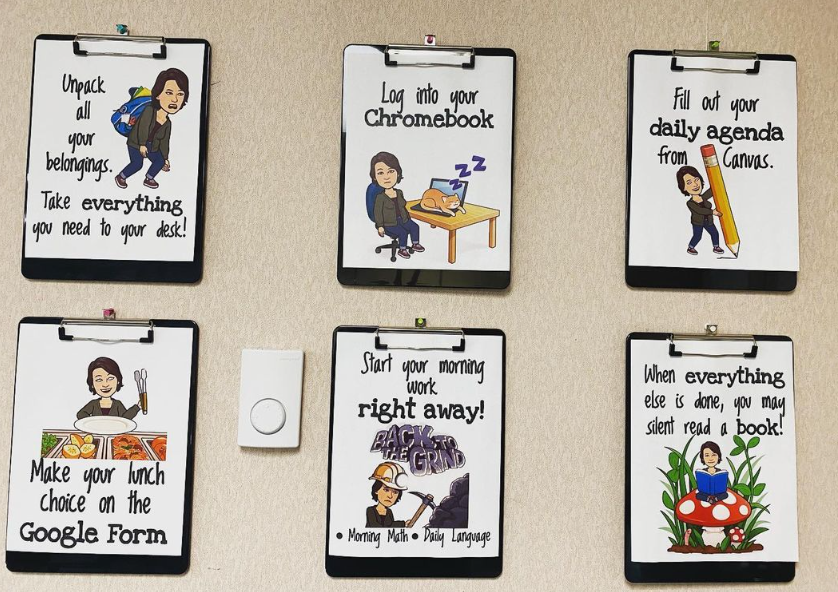
2. Morning Work:
- Routine: Establish a consistent activity that students begin as soon as they enter the classroom.
- Example: This could be a daily journal prompt, a math warm-up, or a quick review quiz. Place instructions for the task on the board or provide students with a morning work folder.
- Why It Works: Morning work helps students transition from home to school mode. It also reinforces content from previous lessons and sets a focused tone for the day. Consistency in this routine teaches students to be independent and responsible, allowing you to handle administrative tasks like attendance without interruptions.
Transitions in the Building: Navigating Common Spaces Smoothly
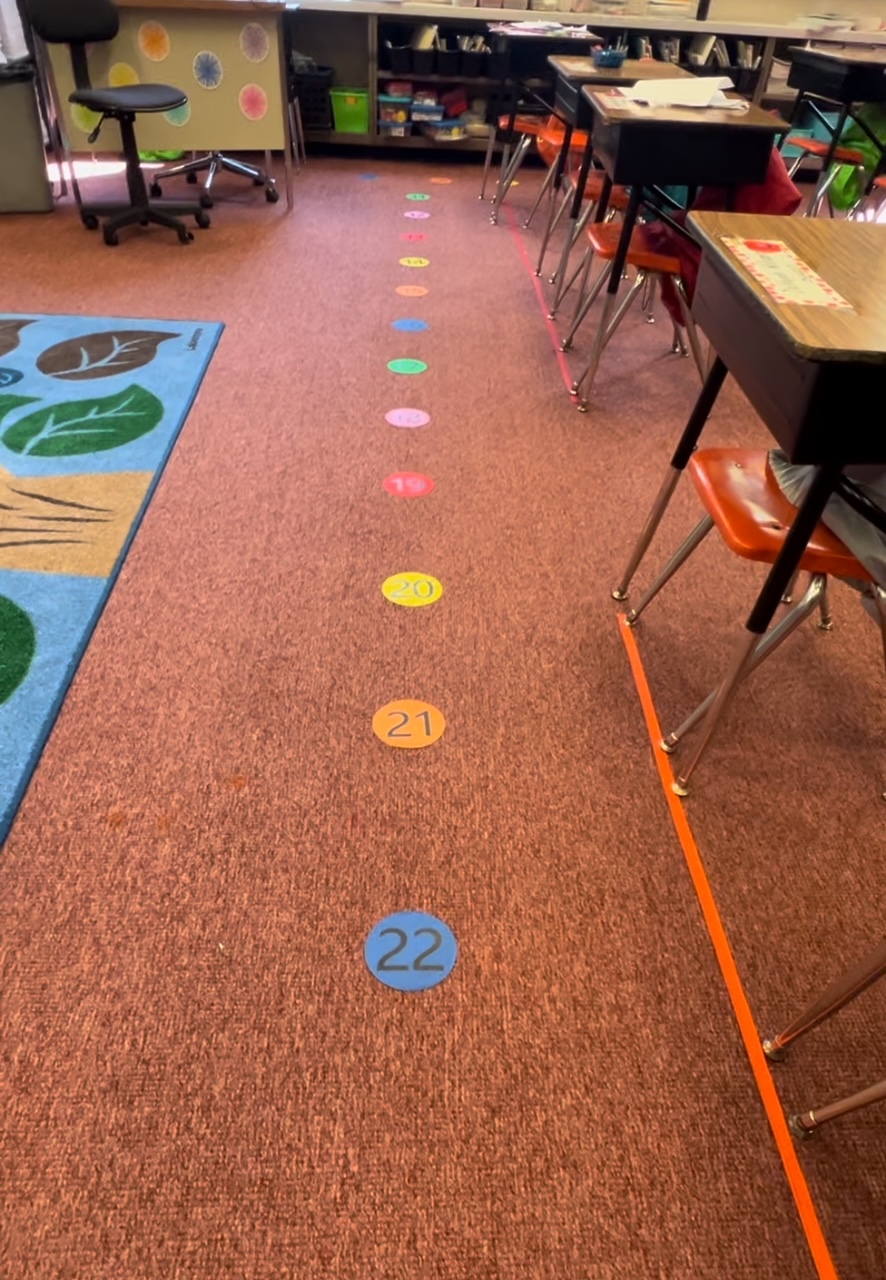
3. Hallway Transitions:
- Routine: Develop clear expectations for hallway behavior and practice them with your students.
- Example: Teach students to walk in a single-file line, with hands at their sides and voices off. Use a simple signal, like a raised hand or a quiet chant, to get their attention and remind them of the rules.
- Why It Works: Well-managed hallway transitions minimize disruptions and ensure that students move efficiently from one activity to the next. Research indicates that when students understand and follow consistent routines, they’re less likely to engage in off-task behavior, which can lead to smoother transitions and more time for learning.

4. Restroom Breaks:
- Routine: Implement a restroom routine that minimizes disruptions to the learning environment.
- Example: Use a sign-out sheet where students quietly sign their names before leaving the room, or have designated bathroom passes. Consider scheduling whole-class restroom breaks at specific times during the day to further reduce interruptions.
- Why It Works: Structured restroom breaks help maintain classroom focus and reduce the number of students out of the room at any given time. This routine also teaches students responsibility and self-management, key skills that contribute to a well-functioning classroom.
Classroom Organization: Maintaining an Orderly Learning Environment
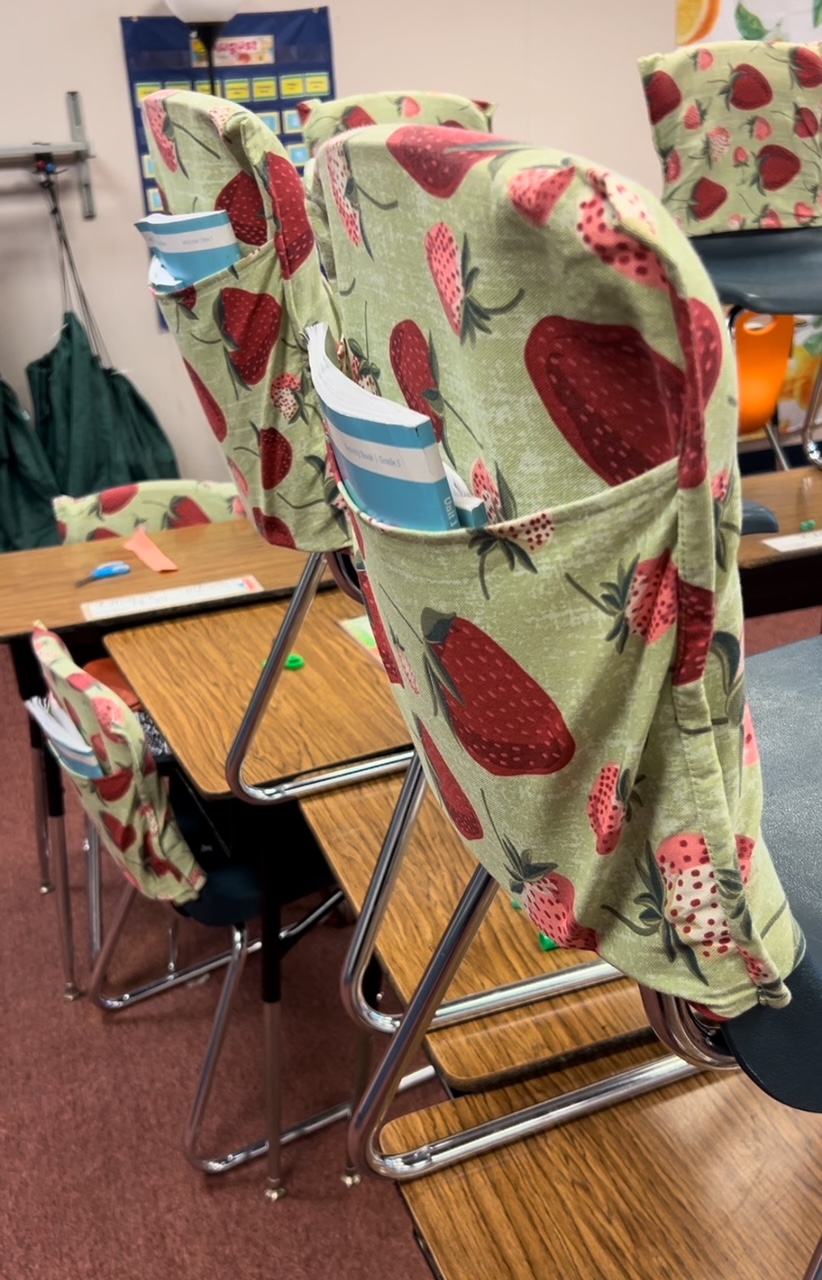
5. Desk and Material Organization:
- Routine: Teach students how to organize their desks and materials, and build in regular times for tidying up.
- Example: Create a checklist for what should be in each student’s desk (e.g., notebooks on the left, pencils in a case). Dedicate five minutes at the end of each day or week for students to clean and organize their workspaces.
- Why It Works: An organized environment reduces distractions and helps students focus on learning. Research shows that a clutter-free space promotes better concentration and reduces stress. When students know where to find their materials, transitions within lessons are smoother, and instructional time is maximized.
6. Supply Management:
- Routine: Create a system for managing and distributing classroom supplies.
- Example: Assign roles such as “Supply Manager” or “Table Captain” who are responsible for gathering and distributing materials. Store supplies in clearly labeled bins or drawers, and teach students the procedure for accessing and returning items.
- Why It Works: A structured system for managing supplies reduces chaos and keeps the classroom running efficiently. It also teaches students responsibility and teamwork. When students know exactly how to get and return materials, you spend less time managing supplies and more time teaching.
7. End-of-Day Procedures:
- Routine: Establish a consistent routine for packing up and preparing for dismissal.
- Example: Use a visual checklist on the board that students can follow, such as “1. Put away materials, 2. Clean your desk, 3. Gather homework, 4. Line up quietly.” Assign specific students to check that areas are clean and organized.
- Why It Works: A structured end-of-day routine ensures that students leave the classroom in an orderly manner, reducing the likelihood of lost items and end-of-day chaos. This routine also reinforces the importance of personal responsibility and prepares students for a smooth start the following day.
The Impact of Routines on Learning Outcomes
When routines are explicitly taught and consistently reinforced, they create a classroom environment where students know what to expect and what is expected of them. This predictability reduces anxiety, increases student engagement, and allows you to focus on teaching rather than managing behavior. According to research, students in well-structured classrooms are more likely to stay on task, resulting in improved learning outcomes.
For teachers, these routines also reduce the mental load of constantly making decisions about classroom management. With clear procedures in place, you can spend more time on instruction and less time on discipline, leading to a more enjoyable and effective teaching experience.
Conclusion: Routines as Your Lifeline
In the first weeks of school, establishing routines for morning activities, building transitions, and classroom organization is essential for creating a productive and positive learning environment. By teaching these routines explicitly and practicing them consistently, you provide your students with the structure they need to thrive and the clarity you need to keep your head above water. As the routines become second nature, you’ll find that your classroom runs more smoothly, your students are more engaged, and you have more energy to focus on what you love—teaching.
For more tips and resources, visit Kile’s Classroom on Instagram and TpT!


 kilesclassroom.com